
In a world where conventional education can sometimes feel like a factory line, the concept of an alternative education academy is bursting onto the scene like an unexpected plot twist in a novel. Imagine a place where creativity is as important as math, and learning doesn’t stop at the classroom door. Here, students embrace education with enthusiasm rather than dread. Who wouldn’t want to explore a learning landscape that’s flexible, innovative, and tailored just for them? Ready to jump into how alternative education is reshaping the future? Let’s go.
What Is Alternative Education?
Historical Context of Alternative Education
Alternative education isn’t a recent invention: it’s steeped in history, emerging as a response to the rigid structures found in mainstream education. In the early 20th century, educators like Maria Montessori and Rudolf Steiner began to advocate for systems that prioritized the needs of the child over a one-size-fits-all model. Their innovative ideas reshaped how children interact with learning environments, emphasizing autonomy and individual growth.
Key Principles of Alternative Education
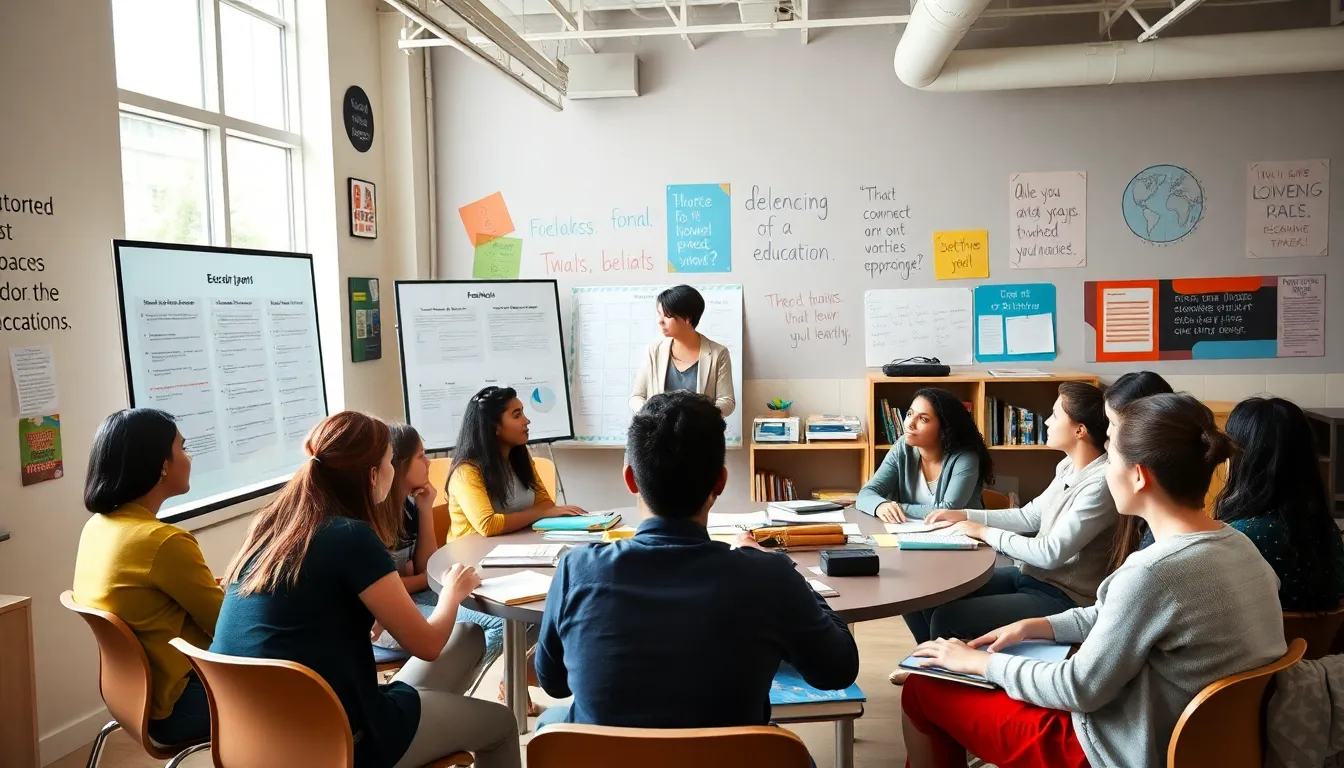
At its core, alternative education champions various key principles. Flexibility is paramount. While traditional education often emphasizes standardized testing, alternative academies prioritize personalized learning paths. Students pursue subjects that ignite their passions, making education not just relevant but also enjoyable. Collaboration and community involvement are equally critical, fostering a sense of belonging that traditional settings sometimes overlook.
Benefits of Alternative Education Academies
Customized Learning Experiences
One of the most significant advantages of alternative education is the tailored approach to learning. Each student has unique strengths and weaknesses, and alternative academies acknowledge this by customizing the curriculum. This isn’t just education, it’s an invitation for students to thrive and explore their paths with guidance but also freedom.
Fostering Creative Thinking and Problem Solving Skills
In contrast to the rote memorization often associated with traditional education, alternative education challenges students to think outside the box. Whether through project-based learning or hands-on activities, students develop critical thinking and problem-solving skills. They learn to approach challenges with confidence, usually accompanied by a splash of creativity, which is essential in our ever-evolving world.
Promoting Social and Emotional Development
Education should be about more than academic achievement. Alternative education academies place a strong emphasis on social and emotional growth. Students engage in group projects and discussions, learning to communicate effectively and work collaboratively. This holistic approach nurtures resilience, empathy, and emotional intelligence, qualities that will serve them well beyond school walls.
Types of Alternative Education Models
Montessori Method
The Montessori method is perhaps one of the best-known alternative education models. It emphasizes hands-on, experiential learning in a multi-age environment. Students are encouraged to explore subjects at their own pace, leading to deeper understanding and retention of knowledge.
Waldorf Education
Waldorf education, founded by Rudolf Steiner, focuses on the whole child. Education extends beyond academics to include artistic expression, movement, and practical skills. This well-rounded approach fosters a deep connection to the material, encouraging students to engage with the world creatively.
Project-Based Learning
Project-based learning takes a more inquiry-driven approach. Students tackle complex questions and problems, working on projects over extended periods. This model not only enhances knowledge retention but also builds teamwork and time management skills, preparing students for real-world challenges.
Challenges and Misconceptions of Alternative Education
Addressing Concerns From Traditional Education Advocates
Even though its many benefits, alternative education faces skepticism, primarily from advocates of traditional systems. Critics often argue that alternative methods lack structure and rigor. But, a growing body of research suggests that students from alternative backgrounds perform at or above their peers in standard school systems.
Overcoming Funding and Accessibility Issues
Funding remains a significant hurdle for alternative education. Many academies depend on grants and donations, making them less accessible to underprivileged communities. But, innovative solutions such as sliding scale tuition and community partnerships are emerging to address these disparities.
How to Choose the Right Alternative Education Academy
Evaluating Curriculum and Teaching Philosophy
When considering an alternative education academy, evaluating its curriculum and philosophy is essential. Look for schools that prioritize individualized learning and innovative practices. Understanding their teaching methods and how they align with the child’s needs can significantly influence educational outcomes.
Understanding Community and Social Environment
Another factor is the community atmosphere. An alternative education academy should feel welcoming and inclusive. Investigate their approach to social development, extracurricular programs, and community involvement. Choosing a school where students feel secure and valued will enhance their learning experience.


