
When it comes to education, many folks imagine a classroom filled with rows of desks where students dutifully take notes while the teacher lectures. But let’s be real: that model isn’t for everyone. Enter alternative education, an exciting umbrella term that covers various non-traditional learning approaches. Curious about what this means? Well, you’re in for a treat. The world of alternative education might just be the fresh breath of air that both students and parents are seeking. Buckle up because we’re diving deep into the meaning, types, benefits, and challenges of this fascinating educational landscape.
Understanding Alternative Education
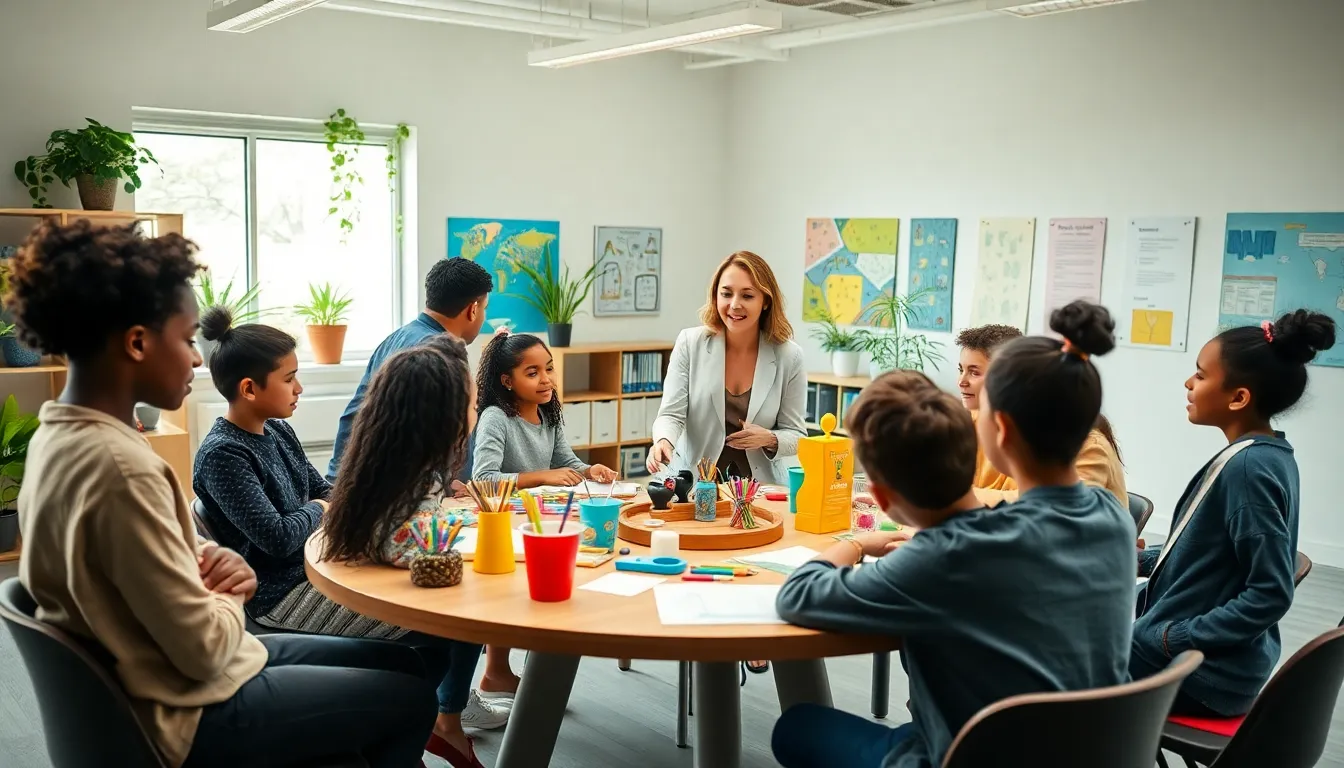
Alternative education is essentially a broad term describing educational methods that diverge from the standard curriculum found in traditional schooling. It encompasses a range of philosophies and practices aimed at creating personalized learning experiences. Some may think of it as an escape from the rigidity of conventional education, while others see it as a way to cater to diverse learning styles.
Historically, alternative education has emerged as a response to perceived shortcomings in the traditional system. It embraces various teaching styles and educational philosophies, providing a more flexible and holistic approach. Schools that align with this concept might emphasize hands-on learning, project-based activities, or even self-directed study. Each alternative education model seeks to cultivate curious minds that thrive on exploration and personal relevance.
Key Characteristics of Alternative Education
Several defining traits set alternative education apart from its traditional counterpart:
- Student-Centered Learning: At the heart of alternative education is the belief that students should drive their own learning journeys. This approach often results in increased engagement and motivation.
- Flexible Curricula: Unlike the rigid guidelines of traditional education, alternative programs frequently allow for adaptable curricula tailored to individual interests and strengths.
- Focus on Critical Thinking: Many alternative education models emphasize teaching students how to think critically rather than simply memorizing facts. This prepares them for real-world problem-solving.
- Diverse Learning Environments: Alternative education isn’t confined to classrooms: it can happen in various settings, from community centers to outdoor classrooms.
- Multifaceted Assessment Methods: Unlike standardized tests, alternative education often utilizes portfolios, projects, and other forms of assessment to gauge student progress.
Types of Alternative Education Models
The world of alternative education is rich with variety, featuring several distinct models:
Montessori Education
This model promotes self-directed activity and hands-on learning, enabling children to choose tasks that interest them. Teachers act as guides rather than traditional lecturers.
Waldorf Education
Focusing on holistic development, Waldorf education emphasizes the roles of creativity and imagination in learning. It integrates arts and academics in unique and engaging ways.
Homeschooling
Allowing for individual education tailored to a child’s specific needs, homeschooling can be incredibly flexible. Parents can use various resources, including online platforms and community programs.
Sudbury Schools
These democratic schools emphasize student choice in all aspects of their education. Students take charge of their own learning, and typical subjects are learned through self-selection and real-world experiences.
Online Alternative Education
With the rise of technology, many alternative education models have adopted online formats, allowing students to learn at their own pace and schedule.
Benefits of Alternative Education
Alternative education offers numerous advantages:
- Personalized Learning Experience: Students receive tailored educational approaches, making learning more relevant and enjoyable.
- Enhanced Engagement: With methods that promote curiosity and participation, students often find themselves more invested in their education.
- Builds Independence and Responsibility: Many alternative models teach students to take ownership of their learning, fostering independence and a commitment to lifelong learning.
Challenges in Alternative Education
But, alternative education isn’t without its hurdles:
- Access and Resources: Not all families have equitable access to alternative programs, which can create disparities.
- Lack of Standardization: The absence of nationally recognized standards can lead to inconsistencies in educational quality.
- Societal Perception: Some still view alternative education with skepticism, preferring traditional methods for their familiarity and perceived reliability.
Alternative Education vs. Traditional Education
Comparing alternative education to traditional schooling highlights several key distinctions:
- Teaching Methods: Traditional education often relies on lectures, direct instruction, and standardized testing, whereas alternative education thrives on experiential learning and critical thinking.
- Curriculum Flexibility: Traditional programs often follow a strict state or national curriculum, while alternative education allows for more adaptable and student-driven curricula. This flexibility can cater to diverse interests and needs.
- Focus on Individuality: Where traditional schools may emphasize conformity to a standard, alternative programs celebrate and actively seek to nurture individual expression and uniqueness in students.


