
In a world where cookie-cutter classrooms seem to be the norm, alternative education methods are like a breath of fresh air, or perhaps a refreshing cup of artisanal coffee (because who doesn’t love an artisanal twist?). These innovative techniques challenge the traditional schooling system, providing diverse learning experiences tailored to students’ unique needs. If you’re tired of the same old lectures and rigid structures, buckle up. It’s time to explore the exciting world of alternative education methods, where learning is as unique as each student.
Understanding Alternative Education
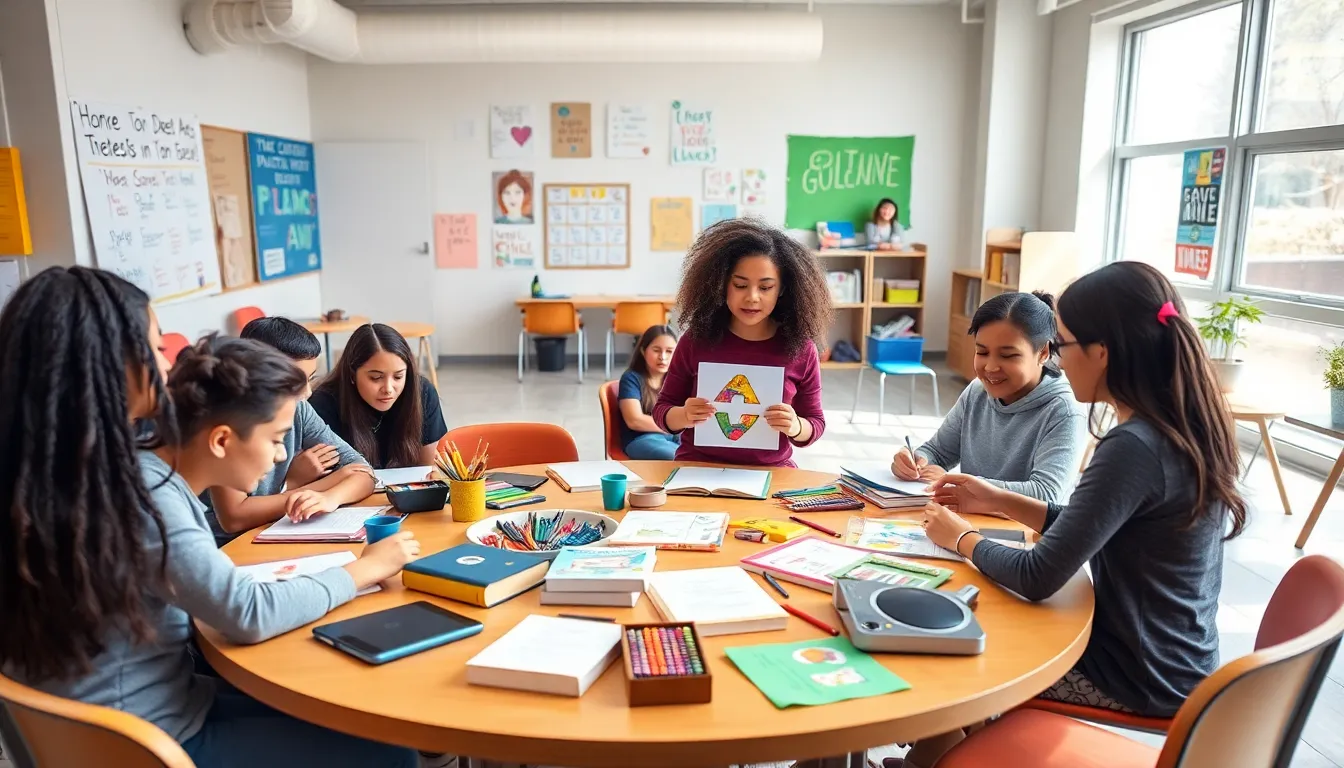
Alternative education encompasses a broad spectrum of learning philosophies and approaches that diverge from conventional schooling systems. It prioritizes flexibility and individuality, acknowledging that each student has unique learning preferences and paces. From community-based programs to various educational philosophies, alternative education thrives on adapting to these varied needs.
This type of education aims to cultivate passion and creativity rather than just rote memorization. It often rejects the one-size-fits-all model in favor of personalized experiences that promote critical thinking and problem-solving skills.
The Importance of Alternative Education
So why should one care about alternative education? In short, it’s essential because it addresses the gaps that traditional education often overlooks. Many students find themselves disengaged or even frustrated in standardized educational environments. For them, alternative methods can foster a love for learning and enhance motivation.
Also, these educational approaches encourage self-directed learning, allowing students to explore their interests deeply. They can cultivate essential life skills, like resilience and adaptability, necessary for success in a rapidly changing world. In essence, alternative education provides an opportunity that not only enhances academic performance but also nurtures emotional and social skills.
Popular Alternative Education Methods
There are various methods within the alternative education realm, each with its distinct philosophy:
Montessori Method
This approach centers around student-led learning, allowing children to make choices about their educational paths. Classrooms are equipped with specially designed materials that promote interactive learning. Teachers act as guides rather than traditional instructors, fostering independence and confidence.
Waldorf Education
Developed by Rudolf Steiner, this method emphasizes imagination and creativity. Emphasizing the arts and nature, Waldorf schools strive to develop well-rounded individuals. Students typically engage in a broad curriculum that includes art, music, and practical skills, ensuring a holistic education.
Unschooling Approach
Unschooling takes a radical stance by rejecting structured curriculum altogether. Instead, it relies on a child’s natural curiosity and interests as drivers for learning. There are no formal grades or subjects: education happens organically through real-life experiences and self-directed inquiry.
Hybrid Learning Models
These blend traditional and alternative teaching methods, creating a versatile learning environment. Hybrid models often incorporate online instruction coupled with in-person interactions, providing flexibility that accommodates diverse learning styles.
Advantages and Challenges of Alternative Education
Embracing alternative education methods comes with numerous advantages:
- Enhanced Engagement: Students often feel more connected and invested in their learning.
- Customized Learning Paths: Educators can cater to individual strengths, weaknesses, and interests.
- Development of Critical Skills: Emphasis on critical thinking and problem-solving prepares students for real-world challenges.
But, it’s not all sunshine and rainbows. Alternative education can present challenges as well:
- Lack of Standardization: Parents may worry about meeting educational benchmarks or assessing progress.
- Resource Availability: Many alternative programs require additional resources or specialized teachers, which can lead to accessibility issues.
- Misunderstanding of Value: Some may still view traditional education as superior, leading to skepticism about alternative methods.
The Future of Alternative Education
As society continues to evolve, so too does the landscape of education. Alternative education methods are gaining traction, particularly as parents and educators seek to create more inclusive and personalized learning experiences. Technology advancements are playing a significant role, enabling innovative educational platforms and resources that cater to diverse learning styles.
Besides, the recognition of mental health and well-being in educational settings is making way for alternative approaches that prioritize these aspects. Schools are beginning to carry out social-emotional learning (SEL) frameworks alongside academic instruction, creating environments where students can thrive holistically.


