
In a world that often adheres to rigid educational structures, alternative education solutions offer a refreshing dose of creativity and flexibility. Ever felt like trying to fit a square peg into a round hole? That’s how many students feel in traditional classrooms. Luckily, alternative education is here to save the day, think of it as the superhero of learning environments. With this guide, explore the unique pathways that challenge common norms and showcase how different educational methods can spark enthusiasm, engagement, and even joy in learning. Ready to venture into this dynamic realm? Let’s immerse.
Understanding Alternative Education
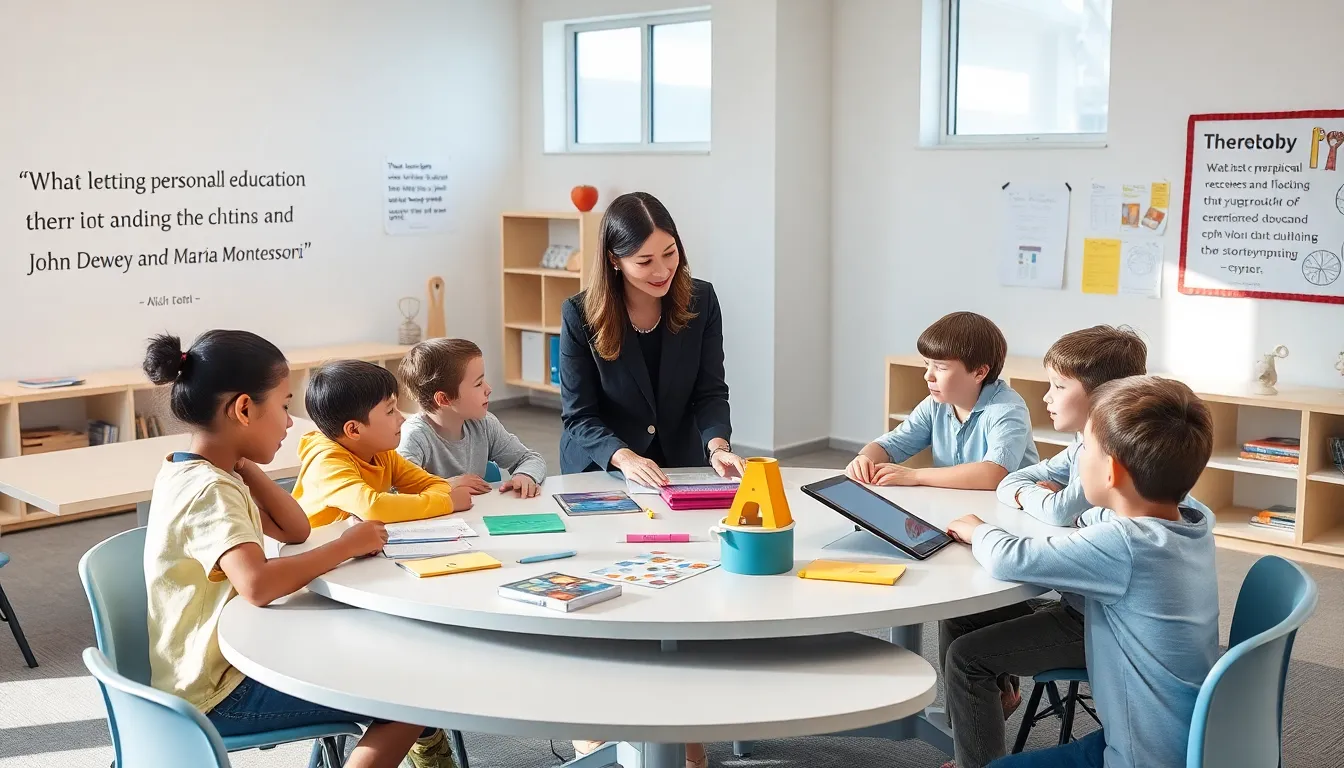
Alternative education is more than just a trend: it’s a reimagining of how we approach learning. Instead of the one-size-fits-all model fostered in many traditional schools, alternative education emphasizes tailored experiences that fit diverse learning styles.
Historical Context of Alternative Education
The origins of alternative education can be traced back to groundbreaking thinkers like John Dewey and Maria Montessori, who advocated for a child-centered approach to learning in the late 19th and early 20th centuries. These pioneers challenged the rigid pedagogies of their time, arguing that education should cater to the natural curiosity and individuality of each child. Fast forward to today, these ideas have flourished into various educational models that prioritize personal growth and holistic development.
Types of Alternative Education Solutions
Alternative education encompasses a variety of innovative solutions. Each approach brings something unique to the table, appealing to different learners and fostering tailored learning experiences.
Montessori Education
Montessori schools emphasize hands-on, experiential learning in mixed-age classrooms. Children engage with educational materials at their own pace, nurturing independence and critical thinking. This model has gained immense popularity for its success in developing well-rounded individuals.
Waldorf Schools
Waldorf education steers clear of conventional grading and testing, focusing instead on creativity, arts, and practical skills. This system encourages students to explore their imaginations, providing a rich tapestry of knowledge that transcends traditional subjects.
Online and Hybrid Learning Models
In today’s digital age, online learning has carved out a niche in alternative education. Hybrid models combine face-to-face instruction with online coursework, offering flexibility for those balancing school with other commitments. This approach allows for personalized pacing and can be particularly useful for students who thrive in less structured environments.
Unschooling and Self-Directed Learning
Unschooling flips the traditional education model on its head, where children take the reins of their own learning. With a focus on personal interests, learners engage deeply with topics they’re passionate about. This exploration fosters a love for learning that can last a lifetime.
Benefits of Alternative Education Solutions
The advantages of alternative education extend far beyond merely providing different environments. These solutions actively work to enhance both academic performance and personal growth.
Personalized Learning Experiences
One of the most significant benefits is the personalization of learning. Students are allowed to progress at their own pace, diving into subjects that ignite their passion. This flexibility leads to deeper understanding and retention of knowledge.
Life Skills and Social Development
Alternative education often emphasizes life skills, including teamwork, communication, and problem-solving. Students regularly engage in collaborative projects, navigating social interactions that prepare them for real-world challenges. By the time they graduate, they are not just academically prepared but also equipped with essential life skills.
Challenges of Alternative Education Solutions
Even though their numerous benefits, alternative education solutions come with inherent challenges. It’s essential to confront these issues to foster a more inclusive and effective educational landscape.
Lack of Standardization
One major challenge is the absence of standardization across different alternative programs. While flexibility is often touted as a strength, it can also lead to inconsistencies in educational quality. Parents might find it difficult to assess whether a particular alternative education program will meet their child’s needs.
Accessibility and Affordability Issues
While many alternative education solutions aim to provide diverse experiences, access remains a significant hurdle. High-quality programs can often be costly, leaving students from lower-income families at a disadvantage. Advocating for equitable funding and resources is crucial in leveling the playing field for all learners.
The Role of Parents and Communities
Parents and communities play a vital role in advocating for and supporting alternative education solutions. Their involvement not only benefits individual students but also strengthens the educational landscape as a whole.
Advocating for Alternative Education
Parents serve as key advocates for alternative education by seeking out options that align with their children’s needs. Engaging in local educational discussions and participating in school boards can drive changes toward more inclusive policies. Supporting initiatives that promote alternative education can empower parents to make informed choices for their children.
Building Collaborative Networks
Communities can bolster alternative education by fostering collaborative networks. By partnering with local organizations, schools can create enriched environments that provide diverse learning opportunities. Cooperative educational programs can enhance resources and broaden the horizons for all students.
Case Studies of Successful Alternative Education Programs
Examining real-world examples provides valuable insight into the effectiveness of alternative education solutions. Several programs have demonstrated the potential for success and innovation.
Innovative Programs Around the World
Across the globe, schools like Ashoka School in India and Sudbury Valley School in Massachusetts have gained recognition for their unique approaches. These programs showcase how alternative methods not only keep students engaged but also empower them to become active participants in their education.
Lessons Learned from Alternative Approaches
The stories of these schools reveal crucial lessons about engagement, creativity, and resilience. The flexibility seen in alternative programs allows them to adapt quickly to the needs of their students, setting a powerful example for the future of education.


