
If you think all schools are the same, it’s time to get a fresh perspective. Enter Tremont Montessori, where the traditional education model takes a backseat to creativity and exploration. Designed to foster independence and critical thinking, Tremont Montessori stands out for its unique approach. But don’t worry: this isn’t another dry educational overview. In this text, you’ll discover the ins and outs of Tremont Montessori, complete with a sprinkling of humor and insights that’ll make you say, ‘I didn’t know school could be this fun.’
What Is Tremont Montessori?
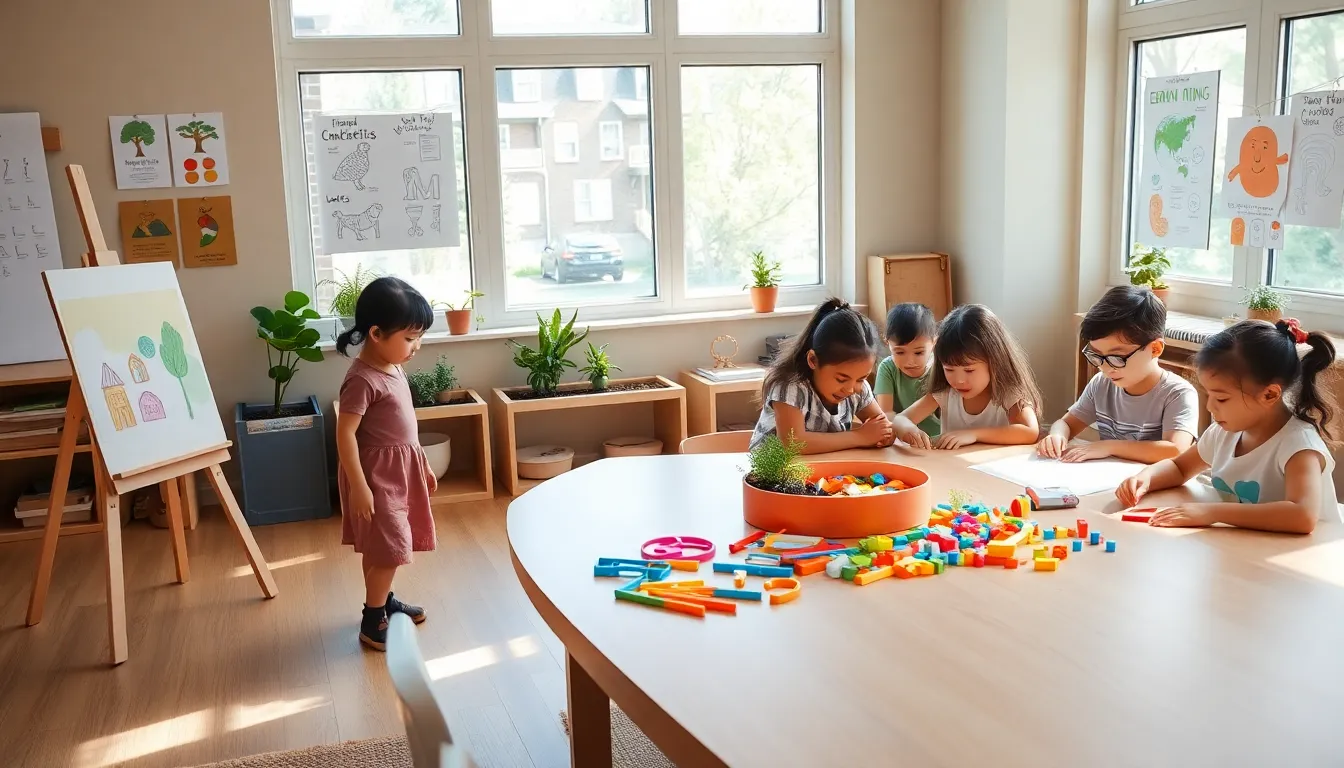
Tremont Montessori is not just a school: it’s a vibrant community that champions the holistic development of children. Rooted in the principles of Maria Montessori, this educational institution emphasizes self-directed learning and is tailored to meet the diverse needs of students. Imagine a place where children are encouraged to explore their interests rather than merely following a one-size-fits-all curriculum. Here, each child’s innate curiosity is cherished, fostering a love for learning that lasts a lifetime.
At Tremont Montessori, the belief is that education should not be confined to textbooks and tests. Kids engage in meaningful activities that promote creativity, problem-solving, and social interaction. From art projects to gardening, every aspect of learning is about discovery.
This educational philosophy instills a sense of responsibility and independence in students, preparing them not just for academic success but for life itself.
The Montessori Method Explained
The Montessori Method is a groundbreaking approach to education that prioritizes the child’s experience in the learning process. It encourages self-motivation and independence, allowing students to decide their learning paths. Think of it as a guided adventure in education, where teachers act more as facilitators than traditional instructors.
Central to this method is the carefully prepared environment. Each classroom is a sensory-rich space full of resources tailored for different developmental stages. Children choose their activities, whether it’s building a cube from wooden blocks or conducting a science experiment, enabling them to absorb knowledge in ways that resonate with them personally.
Also, this approach respects each child’s unique pace and style of learning. It’s not about racing to the finish line: it’s about enjoying the journey of education. The focus is on nurturing not just intellectual growth but also emotional and social skills, creating well-rounded individuals ready to tackle the world.
Curriculum and Learning Environment
Tremont Montessori features a curriculum that’s as diverse as its students. The curriculum spans key subjects such as mathematics, language, culture, and the sciences but opts for a hands-on approach. Instead of just memorizing facts, children engage with materials and projects that make learning interactive and enjoyable.
In this atmosphere, reading isn’t just practiced in books: it happens in a myriad of contexts. Imagine a child learning math through baking, where measuring ingredients teaches them fractions. Science experiments happen all around them, fostering inquiry and igniting passion for discovery.
The learning environment is thoughtfully prepared, inviting children to explore at their own speed. Spacious classrooms are stocked with Montessori materials designed to stimulate curiosity and encourage exploration. There’s a clear emphasis on collaboration: peers often work together, learning teamwork and communication in a natural way.
Benefits of Choosing Tremont Montessori
Selecting Tremont Montessori for a child’s education comes with an array of benefits that extend far beyond academic learning. One of the standout advantages is the emphasis on independence. Kids learn how to manage their time, make choices, and solve problems, skills that will serve them throughout their lives.
Also, the Montessori Method develops strong social skills. Children engage with a diverse group of peers, learning to respect differences and foster collaboration. This prepares them for future interactions in more complex social settings.
Another tremendous benefit is the personalized learning experience. Because Tremont Montessori respects the unique learning pace of every student, children often show increased enthusiasm and motivation. When they are genuinely interested in what they are learning, mastery comes more naturally.
Finally, the school fosters a sense of community. Parents are often involved in their child’s education, creating a supportive environment that feels like an extended family.
Community and Parental Involvement
Community plays a crucial role at Tremont Montessori. Parents aren’t just dropping off kids: they’re becoming integral parts of the educational experience. Regular workshops, events, and volunteer opportunities invite parents to engage with educators and reinforce the learning happening at school.
This involvement helps create a warm, nurturing atmosphere where both parents and students feel valued. It also encourages open communication between families and teachers, fostering a partnership built on shared goals for each child’s success.
Besides, this strong community network offers families support beyond academics. Playdates, social events, and discussions about child development help parents connect, share experiences, and forge lasting friendships, enriching the entire educational journey.
Enrollment Process and Requirements
Enrolling in Tremont Montessori is a straightforward and welcoming process designed to make families feel at ease. The first step typically involves scheduling a tour of the campus. This allows prospective students and their parents to experience the environment firsthand and understand what sets Tremont apart from traditional schools.
After the tour, families may need to complete an application form and provide necessary documentation, such as previous school records and any relevant assessments. The school values inclusivity and strives to accommodate diverse learning needs, so don’t hesitate to reach out with questions.
Also, an interview may be part of the process, allowing educators to understand a child’s interests and learning style better. Eventually, the goal is to ensure a good fit for both the child and the school, setting up everyone for success from day one.


