
Alternative education is more than just a buzzword thrown around in modern classrooms. Imagine a world where learning breaks free from rigid structures, and creativity reigns supreme. Sounds exciting, right? This approach to education caters to different learning styles and needs, making it the teacher’s Swiss Army knife. In a society that constantly evolves, it’s vital to explore what alternative education truly offers.
Understanding Alternative Education
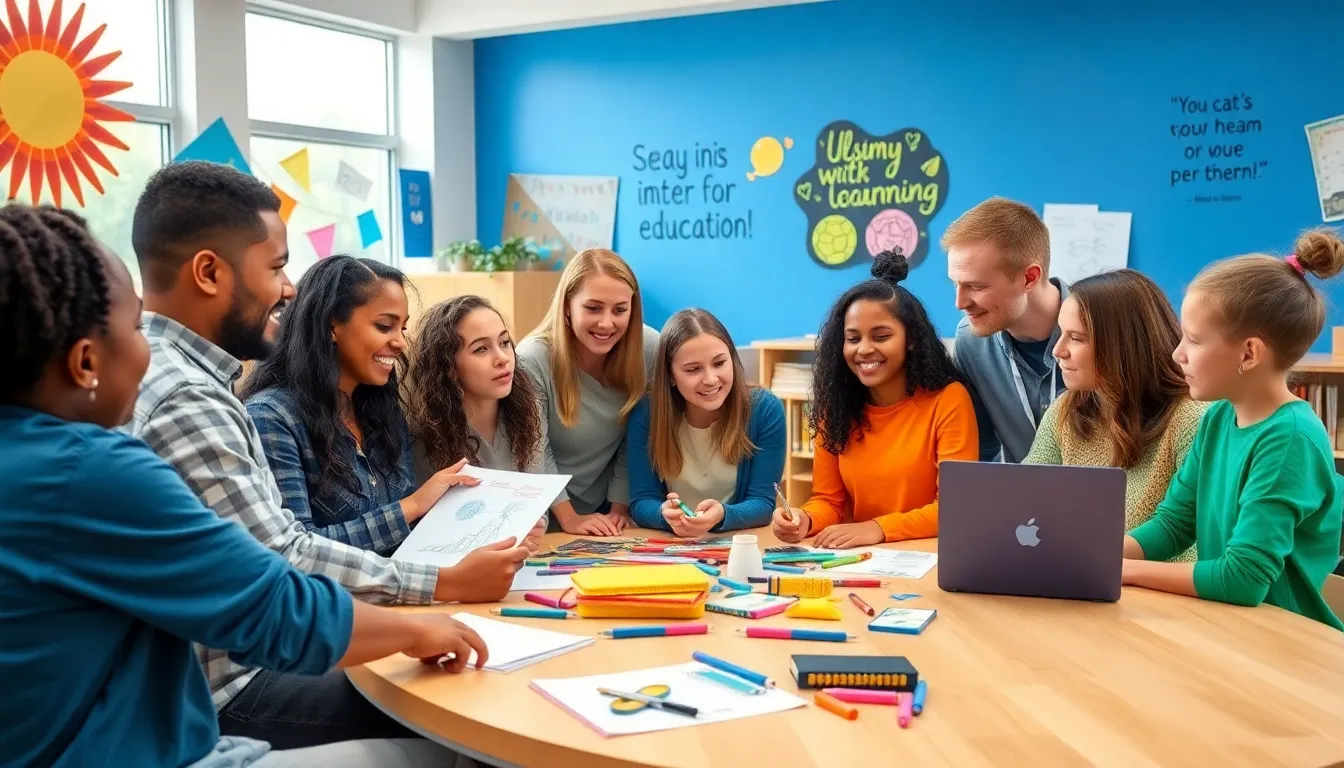
Alternative education encompasses diverse teaching philosophies and methods deviating from traditional schooling. It focuses on tailoring education to individual students, rather than adhering strictly to standardized curricula. A crucial aspect lies in fostering creativity, critical thinking, and life skills. Students thrive as they engage with the material that resonates with their interests.
By emphasizing holistic development, alternative education nurtures emotional and social growth, not just academic achievement. In this approach, teachers often act as facilitators rather than just disseminators of knowledge, guiding students to learn through exploration and experience.
Historical Context of Alternative Education
The roots of alternative education trace back to the late 19th century. Schools like Montessori emerged, promoting child-centric methods concentrating on hands-on learning. In the 1960s and 70s, the counterculture movement introduced even more variations, reflecting societal shifts towards individual expression and personal freedom.
Prominent figures, such as John Dewey and A.S. Neill, championed progressive education philosophies, resonating with the need for an experiential learning approach. As a reaction to standardization and conventional teaching methods, these innovations laid the foundation for today’s alternative education system.
Types of Alternative Education
Several different forms of alternative education exist, each presenting unique philosophies and methodologies. Here are some of the most prominent types:
Montessori Education
Originating from the work of Dr. Maria Montessori, this method emphasizes self-directed learning and mixed-age classrooms. Students choose their activities based on interest, promoting intrinsic motivation.
Waldorf Education
Founded by Rudolf Steiner, Waldorf schools promote creativity and imagination through a rich arts curriculum. The approach stresses a balance between academic subjects and artistic expression.
Homeschooling
With the rise of technology and online resources, homeschooling has become increasingly popular, allowing parents to tailor curricula to their children’s needs at home.
Sudbury Schools
These democratic schools prioritize student choice, allowing learners to direct their education. Students set their schedules, choose their activities, and even participate in school governance.
Project-Based Learning (PBL)
Focusing on real-world projects, PBL encourages students to engage in in-depth investigations and collaborate with peers. This approach nurtures critical thinking, problem-solving, and teamwork.
Benefits of Alternative Education
Alternative education provides a multitude of benefits for students, fostering an engaging and authentic learning experience. Here are some key advantages:
Personalized Learning
Tailored to individual interests and abilities, alternative education ensures that students feel invested in their own learning process. This customization may lead to increased motivation and better academic outcomes.
Development of Life Skills
Many alternative education methods emphasize life skills, equipping students with tools necessary for adulthood. They learn not only academics but also conflict resolution, communication, and collaboration.
Enhanced Creative Thinking
With a focus on creativity, students in alternative education settings often cultivate problem-solving abilities and an innovative mindset. This can lead to unique perspectives and solutions in both academic and personal arenas.
Stronger Community Engagement
Alternative educational approaches often encourage partnerships with families and local communities. Students learn how to actively participate and contribute to society, fostering a sense of belonging and civic responsibility.
Challenges and Criticisms of Alternative Education
While alternative education offers many benefits, it also faces its fair share of challenges and criticisms. Some of the most common concerns include:
Lack of Standardization
Critics argue that the flexibility of alternative education may lead to inconsistencies in quality and effectiveness. Without standardized assessments, measuring student progress can be difficult.
Limited Resources
Alternative schools sometimes struggle with funding and resources, affecting their ability to provide diverse learning experiences. Some may have lower teacher-to-student ratios, impacting individual attention.
Socialization Concerns
Family-driven alternative education methods, such as homeschooling, may leave some students with limited social interactions with peers, potentially affecting their social skills and relationship-building abilities.
The Future of Alternative Education
The landscape of education is rapidly changing, especially in the wake of recent global events. As technology makes learning more accessible, alternative education may expand its reach. Popular trends include online learning, blended methodologies, and personalized educational software.
Advocacy for alternative education is growing, focusing on its potential to address diverse learning needs. Educational institutions may embrace these methods to promote inclusivity, creativity, and critical thinking. Schools will likely adapt and evolve in response to societal changes, making alternative education an essential part of the future of learning.


